
The Technical Stages of Digital Identity
A digital identity is a profile associated with a specific user or other entity within a technological system.
Digital identities help systems, such as computers, distinguish between users based on their purposes and control access.
Stage 1: Identity Verification – Submitting documents using a phone camera to scan a national ID card or passport.
Automatic Verification: This technology reads data from a text document and automatically extracts information such as name, national ID number, and date of birth without user intervention.
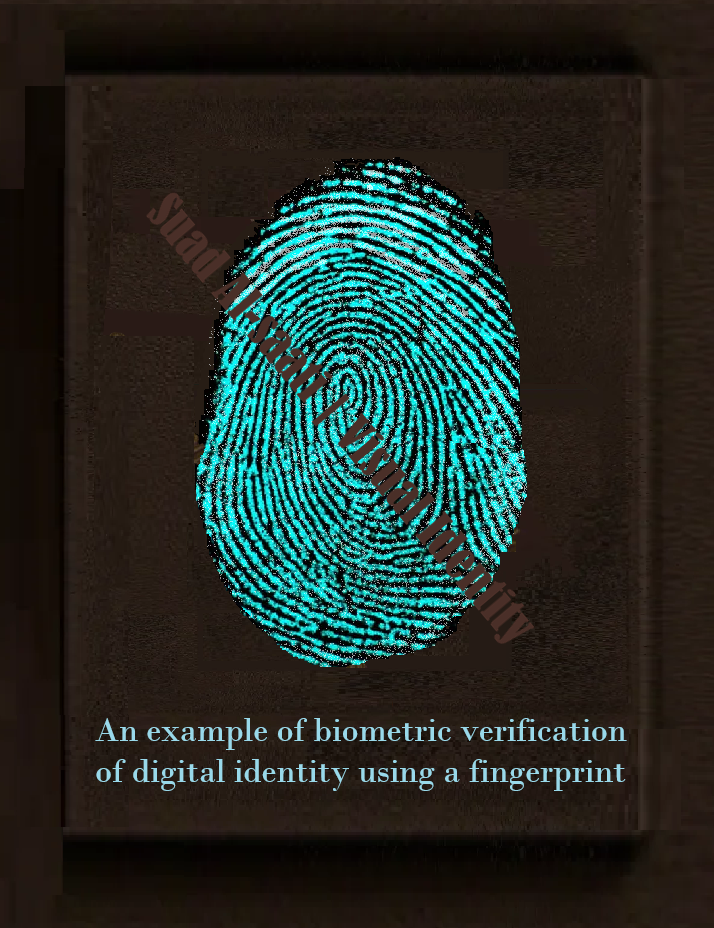
Phase 2: Biometric Verification
Capturing a selfie or recording a short video clip, then prompting the user to perform a gesture, such as smiling or blinking, to confirm that it is the real person and not just a photograph.
Facial and voice recognition: Moving the face left, right, up, and down to match it with a photo in a trusted government database, thus verifying the user’s identity and guaranteeing their rights in official and financial transactions.
Phase 2: Device Linking and Authentication
Two-factor authentication, such as sending a code via phone or email.
Encrypting the device with a unique identifier. Reading the document’s smart chip.
Digital identities rely on electronic data and biometric characteristics that enable remote identification and verification over the internet.
Technical identities are classified into: Unique corporate digital identities, sovereign identities, and open-source software developer identities.
One of the positive outcomes of this digital transformation is that it ensures protection and security for individuals when interacting with digital services, or in conversations and social media. Verification is essential to guarantee security against any vulnerabilities through the encryption of exchanged data.
It also tracks activity to detect fraud and prevent cyberattacks.
This is achieved through scanning official documents for biometric verification, facial recognition, and enabling two-factor authentication to link identity to phone number and secure access to these services on government and financial platforms.